An old car battery might look like useless waste, but it still contains materials that recyclers can recover. So, before you throw away a dead battery, it makes sense to check its potential scrap value. However, the amount you receive depends on several things, including battery weight, type, local scrap rates and the buyer’s pricing method.
In this guide, you’ll discover how much a scrap car battery is worth in the UK, what affects its price and how to get a reasonable offer.
Quick answer: A standard lead-acid car battery weighing 10–15 kg could have an indicative scrap value of approximately £1.10–£4.50, based on a published UK price range of £0.11–£0.30 per kg. Actual offers vary between scrap yards.
Quick Scrap Car Battery Price Comparison
The following table uses the published indicative lead-battery rate and explains what affects the value of different batteries. These are pricing examples and comparisons, not guaranteed buying offers.
| Battery type or factor | Best for | Standout feature |
| Standard lead-acid | Ordinary petrol and diesel cars | Common recyclable battery type |
| Battery weight | Comparing battery values | Heavier batteries contain more material |
| AGM battery | Stop-start vehicles | Different construction and weight |
| EFB battery | Vehicles with start-stop systems | Lead-acid battery technology |
| Lead market prices | Checking current payouts | Rates change with market conditions |
| Battery condition | Preparing a battery for sale | Safe, complete batteries are easier to handle |
| Local scrap yard | Finding a competitive offer | Regional rates can differ |
| Larger vehicle batteries | Vans and commercial vehicles | Higher weight can increase total value |
| Hybrid and EV batteries | Electric vehicle owners | Require different recycling routes |
| Complete scrap car | Owners scrapping an entire vehicle | Battery forms part of the vehicle assessment |
10 Factors That Affect Scrap Car Battery Value in the UK
1. Standard Lead-Acid Battery: The Most Common Scrap Option
Best for: Owners of ordinary petrol and diesel cars with conventional 12V batteries.
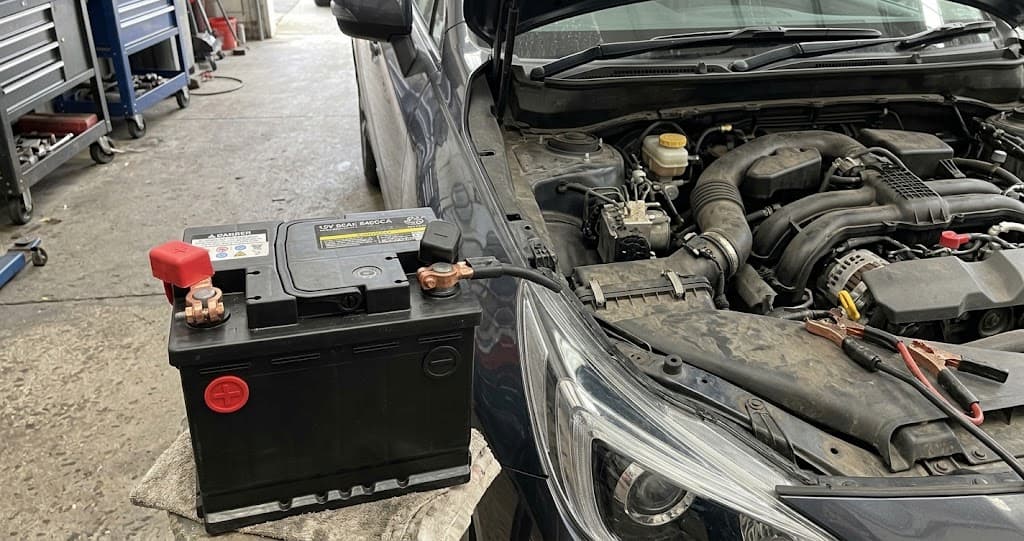
Most traditional car batteries use lead-acid technology. They contain lead plates, an electrolyte and a plastic casing. Recyclers recover the lead and other usable materials, which gives these batteries a scrap value even when they no longer start a vehicle.
A standard car battery generally weighs around 10–15 kg. At the reported UK yard average of £0.18 per kg, its estimated value would be around £1.80–£2.70.
However, that figure is only an example. The buyer’s actual rate, the battery’s weight and the local market determine the final payment.
Pros:
- Commonly recognised by lead-battery recyclers.
- Has recyclable material even when discharged.
- Can be valued using its weight.
Cons:
- Usually offers only a modest return per battery.
- Local scrap rates can change the final payout.
Pro tip: Check whether your local buyer pays by weight or offers a fixed price per battery.
2. Battery Weight: A Major Factor in Scrap Value
Best for: Anyone who wants to estimate a battery’s value before contacting a scrap yard.
Weight has a direct effect on the amount of material a recycler receives. As a result, two batteries that look similar can have different scrap values.
For example, imagine two lead-acid batteries sold at the same rate of £0.18 per kg. A 10 kg battery would have an estimated value of £1.80, while a 15 kg battery would be worth £2.70.
That is a £0.90 difference based on weight alone. Of course, the buyer must confirm the accepted battery grade and actual weight before offering a final price.
Pros:
- Makes price comparisons easier.
- Allows a simple estimated-value calculation.
- Helps you compare offers from different buyers.
Cons:
- Not every scrap yard uses the same weighing method.
- Weight alone does not guarantee a particular payout.
More Read: Does Car Weight Affect Scrap Value?
3. AGM Batteries: Check the Buyer’s Accepted Rate
Best for: Owners of modern vehicles with start-stop technology.
Absorbent Glass Mat (AGM) batteries are designed differently from conventional flooded lead-acid batteries. They use a glass-fibre mat to hold the electrolyte, which supports their performance in vehicles with higher electrical demands.
Some modern cars use AGM batteries because they need reliable power for start-stop systems and other electrical equipment. Their construction and weight can differ from those of standard batteries.
However, do not assume that an AGM battery automatically receives a higher scrap rate. A buyer may classify it under the same lead-battery grade as other lead-acid units.
Pros:
- Contains recoverable lead.
- Can be sold through buyers that accept AGM batteries.
- Its actual weight helps determine the potential value.
Cons:
- Some buyers may apply the same rate as standard batteries.
- You need to confirm the buyer’s accepted battery categories.
Pro tip: Tell the scrap yard that you have an AGM battery before arranging collection.
4. EFB Batteries: Understand Their Recycling Value
Best for: Drivers replacing an Enhanced Flooded Battery (EFB) from a start-stop vehicle.
EFB batteries are another type of lead-acid battery. Manufacturers design them to handle more frequent charging and discharging than conventional flooded batteries.
They are commonly associated with vehicles that use basic start-stop technology. Once an EFB battery reaches the end of its useful life, its lead content still gives it potential recycling value.
Nevertheless, the final offer depends on its weight and the scrap yard’s grading policy. You should not treat EFB and AGM prices as interchangeable without checking the buyer’s rate.
Pros:
- Contains recoverable lead.
- Can enter an appropriate lead-acid recycling route.
- Its weight provides a starting point for estimating value.
Cons:
- Buyers may not publish a separate EFB rate.
- The total payout may be relatively small.
5. Current Lead Prices: Why Scrap Rates Change
Best for: People who want to sell a battery when local scrap prices are favourable.
Lead is the main material that gives a conventional car battery its scrap value. Therefore, changes in lead-market conditions can affect the prices recycling businesses are prepared to offer.
For a useful reference, UK Metal Prices reported a lead-battery average of £0.18 per kg, with a listed range of £0.11–£0.30 per kg on 3 November 2026.
These figures show why it is worth checking current rates before selling. A buyer’s offer may also reflect processing, transport and operating costs.
Pros:
- Published rates help with price comparisons.
- You can calculate an approximate value before visiting a buyer.
- Comparing rates can help you avoid accepting an unnecessarily low offer.
Cons:
- Published prices are not guaranteed dealer offers.
- Market conditions can change after a price update.
More Read: How Is Scrap Car Value Calculated in the UK?
6. Battery Condition: Keep It Safe and Complete
Best for: Owners who have removed an old battery and want to prepare it for recycling.
A dead battery can still contain recyclable materials. Therefore, a battery does not need to work in a vehicle to have scrap value.
However, physical condition matters when you arrange a sale. A leaking, cracked or damaged battery can create handling and transport problems. Some buyers may refuse it or require a specialist collection arrangement.
Keep the battery upright and avoid opening its casing. Never try to remove the lead plates yourself. Battery acid is corrosive, and lead dust can create serious health risks.
Pros:
- A non-working battery can still have recycling value.
- Keeping it intact makes identification easier.
- Safe storage reduces unnecessary handling risks.
Cons:
- Damaged or leaking batteries may be harder to sell.
- Some buyers require special handling arrangements.
Pro tip: Contact the recycling company before transporting a damaged battery.
7. Local Scrap Yard Prices: Compare More Than One Offer
Best for: Sellers who want to find a competitive local battery-scrap price.
Scrap battery prices can differ between locations. One recycling business may offer a particular rate per kg, while another may use a fixed price for each accepted battery.
Transport expenses, processing arrangements and local competition can all influence what a business is willing to pay. Consequently, getting two or three quotes can help you understand the realistic value of your battery.
When comparing offers, ask whether the quoted price includes any collection or handling charges. A higher advertised rate may not provide the best final return if additional costs apply.
Pros:
- Gives you a better understanding of local rates.
- Helps identify differences in pricing methods.
- Reduces the chance of accepting the first low offer.
Cons:
- Comparing multiple buyers takes time.
- Travel costs can reduce your final return.
8. Van and Commercial Batteries: Check the Actual Weight
Best for: Owners of larger vehicle batteries, including those removed from vans and commercial vehicles.
Larger vehicles can use batteries with greater capacities and different physical dimensions. Consequently, their batteries may weigh more than those fitted to smaller passenger cars.
Since scrap buyers often assess lead-acid batteries by weight, a heavier accepted battery could produce a higher total payout at the same rate per kg.
For example, at an illustrative rate of £0.18 per kg, a 25 kg accepted battery would calculate to £4.50. This is a mathematical example, not a published average weight or guaranteed price for van batteries.
Pros:
- Greater weight can increase the total material value.
- Commercial batteries may be accepted by specialist recyclers.
- Per-kg comparisons make estimates straightforward.
Cons:
- Not every yard accepts every battery category.
- Collection and handling may affect the final offer.
More Read: How Much Is My Scrap Car Worth in the UK?
9. Hybrid and EV Batteries: Use the Correct Recycling Route
Best for: Hybrid and electric vehicle owners dealing with high-voltage batteries.
Hybrid and electric vehicles can use battery technologies that differ from conventional 12V lead-acid batteries. For example, an EV traction battery may use lithium-ion technology, while some hybrids use nickel-metal hydride technology.
These batteries should not be valued using an ordinary lead-acid scrap rate. They require appropriate recycling and handling arrangements.
In particular, high-voltage batteries can pose electrical and fire risks if handled incorrectly. Do not open, dismantle or attempt to extract materials from an EV battery yourself.
The GOV.UK guidance on waste batteries explains the approval requirements for businesses that treat or recycle automotive batteries.
Pros:
- Specialist recycling can recover useful materials.
- Correct handling supports safer disposal.
- Suitable recycling routes help prevent waste mismanagement.
Cons:
- Ordinary lead-acid prices do not apply.
- Specialist handling can make valuation more complicated.
10. Scrapping the Whole Car: Compare the Complete Vehicle Value
Best for: Owners whose old car has reached the end of its useful life.
Sometimes, selling a battery separately is not the best option. If the battery is still fitted inside an unwanted vehicle, it may make more sense to request a complete scrap-car valuation.
A scrap car buyer can assess the vehicle as a whole. Its weight, condition, reusable components and collection requirements can all influence the offer.
For example, an MOT-failed vehicle may still have value even when its battery is dead. Likewise, a damaged vehicle may be more suitable for complete vehicle recycling than separate parts disposal.
However, do not remove the battery before asking the buyer. Missing components can affect the final vehicle valuation.
Pros:
- Avoids arranging separate battery transportation.
- Allows the buyer to assess the entire vehicle.
- Can be more convenient when the car is no longer roadworthy.
Cons:
- The vehicle quote is not a separate guaranteed battery payment.
- Missing parts may affect the vehicle’s value.
More Read: How to Scrap a Car Without a V5C Logbook
How We Chose These Price Factors
We selected these ten factors based on the information UK vehicle owners need before selling or recycling an old battery. Our research considered published lead-battery prices, typical battery weights, battery categories, local scrap-yard pricing methods and official recycling guidance.
We also considered practical questions, such as whether a battery is damaged, whether a buyer accepts AGM or EFB units, and whether the owner should scrap the complete vehicle instead. We have used indicative calculations rather than presenting estimates as guaranteed prices.
How to Choose the Right Selling Option for You
The best option depends on your battery type and what you want to do with it.
- Standard car battery owners: Contact a local scrap yard and ask for its current lead-acid battery rate per kg.
- AGM and EFB owners: Confirm that the buyer accepts your specific battery category.
- Owners of larger batteries: Check the actual weight and compare quotes before arranging collection.
- People with damaged batteries: Ask about safe handling and specialist collection before transporting the unit.
- Hybrid and EV owners: Contact a specialist battery recycler rather than using an ordinary lead-acid scrap buyer.
- Owners of unwanted vehicles: Compare the value of selling the complete car against arranging separate battery disposal.
Frequently Asked Questions
1. How much is a scrap car battery worth in the UK?
A standard lead-acid car battery may be worth approximately £1–£5 using indicative UK scrap rates and typical battery weights. However, the exact amount depends on its weight, the local price per kg and the buyer’s grading policy. Always request a current quote.
2. How much do scrap yards pay per kg for car batteries?
Published UK lead-battery pricing can vary by source and location. One November 2026 price tracker reported a range of £0.11–£0.30 per kg. However, this is an indicative market reference, not a guaranteed rate from every scrap yard.
3. Can I sell a completely dead car battery?
Yes. A dead lead-acid battery can still contain recyclable lead and other materials. Its failure to start a car does not remove its potential scrap value. Contact a recycling business first to confirm its acceptance rules, especially if the battery is cracked or leaking.
4. Are AGM batteries worth more than standard car batteries?
Not necessarily. AGM batteries have a different construction from conventional flooded batteries, but that does not guarantee a higher scrap rate. Some buyers classify both under the same lead-battery category. Ask the buyer for the applicable rate before making a decision.
5. Can I put an old car battery in my household bin?
No. Vehicle batteries need an appropriate collection and recycling route. They can contain hazardous substances, and incorrect disposal can create environmental and safety risks. Contact a suitable battery recycler or local authority facility for disposal instructions.
Get a Fair Scrap Car Valuation with ScrapMyCarUK
A scrap car battery still has value because its recyclable materials can be recovered. However, its final price depends on weight, battery type, market rates and the recycling business you choose.
For a standard lead-acid battery, use the published per-kg rate as a starting point and compare local offers. If the battery is still fitted inside an unwanted vehicle, consider getting a complete vehicle valuation instead.
Need to scrap an old, damaged or MOT-failed car? Visit ScrapMyCarUK to request a free vehicle quote and check the available collection service.