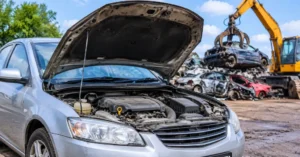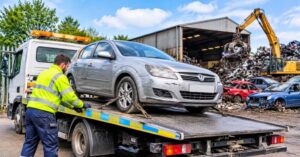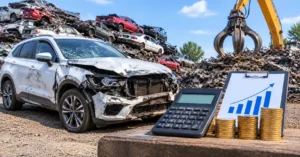
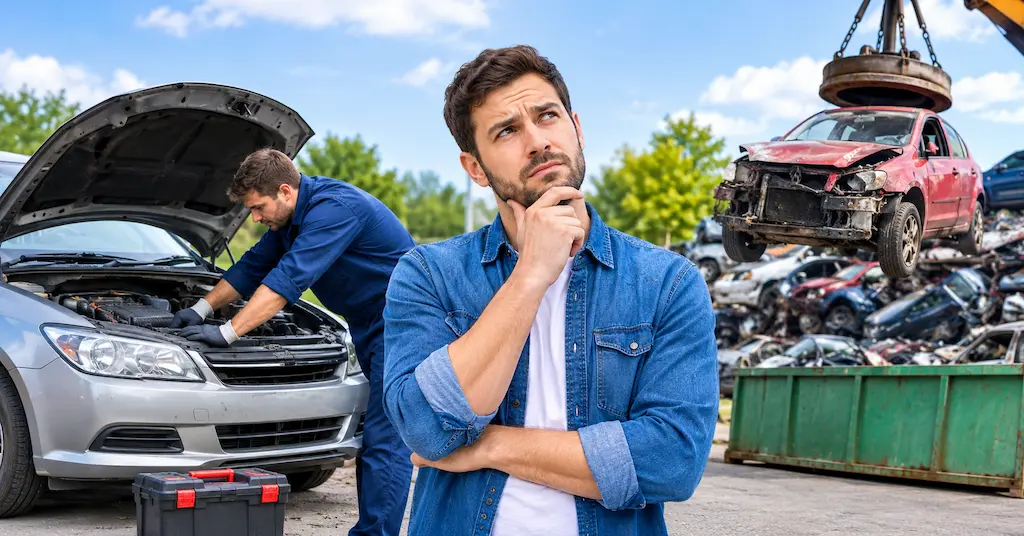
Is your car becoming expensive to maintain, or has it developed a major mechanical problem? Deciding whether to Repair or Scrap My Car can make a significant difference to your finances. While repairing a vehicle may seem like the easiest solution, rising labour charges, replacement parts, and repeated breakdowns can quickly increase your expenses.
On the other hand, scrapping an old or damaged car could help you avoid further repair bills and receive money for its remaining scrap value. This guide explores Repair or Scrap My Car by comparing repair costs, vehicle condition, resale value, and scrap prices. Discover how to decide whether to Repair or Scrap My Car and choose the option that saves you more money.
Quick Answer: Repair or Scrap?
Repair your car when the bill stays below 50% of its market value and the car has years of reliable life left. Scrap it when repairs cost more than the car is worth, or when the car is old, unsafe or constantly breaking down.
How the Costs Compare
Start with the numbers. A repair keeps your car on the road, whereas scrapping turns it into instant cash. Edmunds notes that fixing a car almost always costs less than buying a new one. However, that logic fails when the bill nears the car’s worth.
| Factor | Repair | Scrap |
| Upfront cost | Garage bill, from hundreds to thousands of pounds | Free collection with licensed buyers |
| Cash in hand | None, you keep the car | Usually £200 to £400 |
| Future risk | More breakdowns possible | None after sale |
| Best for | Newer cars with low mileage | End-of-life vehicles and non-runners |
The 50% Rule: The Simplest Way to Decide
Scrapmycaruk.com uses 50% as its benchmark. In other words, if the repair bill exceeds half of your car’s market value, scrapping usually wins. For example, a £3,000 car needing a £1,000 fix deserves repair. Conversely, a £700 car needing a £1,500 gearbox belongs at the scrapyard.
Check your value first. Free online car valuation tools give you a fair figure in minutes.
Repair or Scrap: Key Signs to Watch
Signs You Should Repair Your Car
- The bill stays under 50% of the car’s value
- The car is under ten years old with reasonable mileage
- The fault is isolated, such as a clutch or brake job
- You hold a full service history
- The car still has strong resale value
Signs You Should Scrap Your Car
- Repairs cost more than the car is worth
- Serious corrosion or rust weakens the body
- The car is over ten years old and needs major work
- Engine failure or gearbox failure strikes
- Repeated MOT fails keep piling up, so consider whether to sell an MOT failure car instead
- An accident leaves your vehicle beyond sensible repair, in which case you can sell a damaged car quickly
More Read: Sell Written Off Vehicle
More Read: Sell Salvage Car
What Decides Your Scrap Value?
Scrap buyers price your car by weight, make and model and current scrap metal prices. In addition, working parts such as the catalytic converter, alloys and engine add value. Start Rescue reports typical returns of £200 to £400, with an average near £228 according to CarTakeBack. Therefore, always compare quotes before you accept an offer.
Hidden Costs of Keeping an Old Car
A repair bill rarely tells the whole story. Besides the garage invoice, an ageing car drains your budget in quiet ways:
- Repeat repairs on parts that fail again
- Higher fuel consumption than newer models
- Rising insurance premiums and road tax
- Steady depreciation that shrinks your resale options
- Lost time while the car sits in the garage
In fact,scrapmycaruk.com surveyed 1,000 UK residents. At least 20% had debated scrapping instead of fixing, and 41% pointed to a big breakdown as the main trigger.
How to Scrap Your Car and Get the Best Price
Scrapping takes less effort than most drivers expect. Follow these steps:
- Enter your reg for an instant quote
- Confirm the buyer holds a licence under the Scrap Metal Dealers Act 2013
- Ask for a Certificate of Destruction from an Authorised Treatment Facility
- Remove your personal items and number plates if you plan to keep them
- Make sure the buyer notifies the DVLA, so you avoid fines
- Take payment on collection
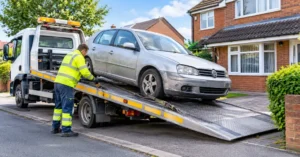
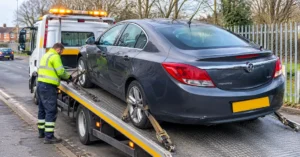
ScrapMyCarUK covers this whole process. The team collects for free, pays the same day and handles all DVLA paperwork. Likewise, the service covers scrap van collection and runs local teams in places like Manchester. Ready to compare your options? Get a free scrap car quote in seconds.
Expert tip: Collect two written repair quotes from independent garages. Dealerships often charge more, as Money reports. As a result, you see the true repair cost before you decide.
Conclusion
So, which option saves you more money? Repair wins when the bill is small and the car is young. Scrapping wins when repairs approach or pass the car’s value. Finally, weigh safety, reliability and your monthly budget alongside the maths. Get a repair quote, check your valuation and compare it with a scrap offer. Then choose the option that leaves more cash in your pocket.
FAQs
When should I scrap my car instead of repairing it?
Scrap it when repairs exceed half the car’s value or the car is old, unsafe and unreliable.
How much money do I get for scrapping my car?
Most UK scrap cars fetch between £200 and £400, depending on weight, parts and metal prices.
Is it cheaper to repair or replace a car?
Repairing is usually cheaper, unless the bill nears the car’s current market value.
Can I scrap a car that failed its MOT?
Yes, licensed buyers accept MOT failures, whatever their condition.
Do I need to tell the DVLA when I scrap my car?
Yes, the keeper must notify the DVLA, and a licensed buyer can do this for you.
Is scrapping my car free?
Reputable buyers collect for free, so you pay no towing or admin fees.