
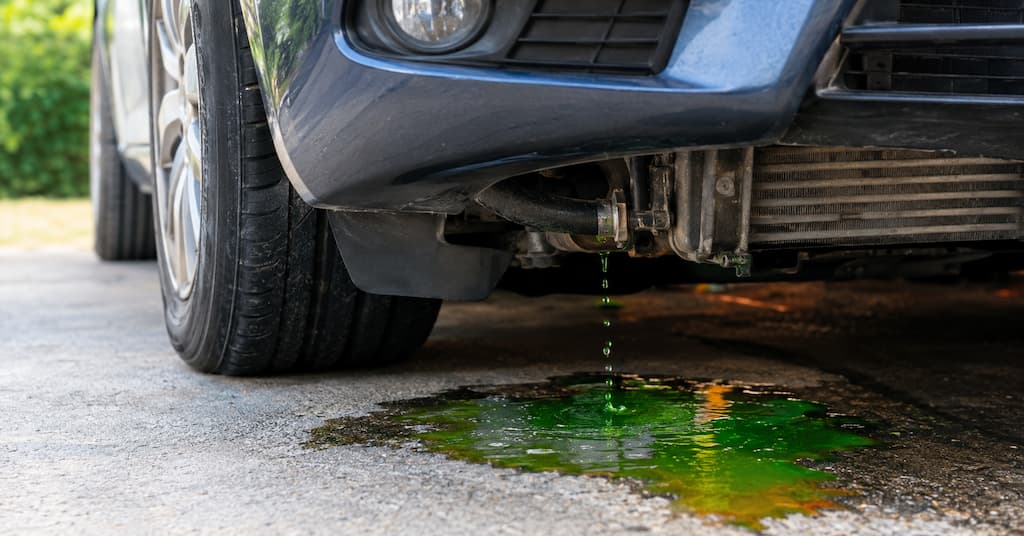
Engine Coolant Leak is a common vehicle problem that can lead to overheating, engine damage, and expensive repairs if ignored. Coolant helps regulate engine temperature, so even a small leak can affect your vehicle’s performance and reliability. Recognizing the warning signs early can help you prevent more serious problems. This guide to Engine Coolant Leak explains common symptoms, including low coolant levels, colored fluid beneath your car, a sweet smell, and rising engine temperatures.
It also covers possible causes, such as damaged hoses, a leaking radiator, a faulty water pump, or a worn gasket. Understanding Engine Coolant Leak issues can help you identify when a simple repair may be possible and when professional assistance is needed. Always let the engine cool completely before checking coolant levels, and never open a hot radiator cap.
This guide explains the common engine coolant leak symptoms, possible causes, repair methods and estimated UK repair costs. You will also learn when it is safe to inspect your vehicle, when to contact a mechanic and when scrapping an uneconomical car may be worth considering.
What Is an Engine Coolant Leak?
Engine coolant is a specially formulated liquid that absorbs heat from the engine and transfers it to the radiator. It also helps protect the cooling system against corrosion and freezing.
A coolant leak occurs when fluid escapes from a hose, radiator, water pump, seal or another cooling system component. In some cases, coolant leaks externally onto the ground. However, an internal leak may allow coolant to enter the engine’s combustion chambers or mix with the oil.
Consequently, the location and severity of the leak determine the repair required.
What Are the Common Signs of an Engine Coolant Leak?
Recognising the warning signs early can help you prevent further damage.
1. A Coloured Puddle Under Your Car
Coolant may appear green, pink, orange, blue or another colour, depending on the formulation. You might notice a puddle near the front of your parked vehicle.
However, colour alone cannot confirm the fluid’s identity. Air conditioning condensation usually produces clear water, while coolant often has a distinctive smell and slippery feel. Avoid touching or tasting unidentified fluids because antifreeze can be toxic.
2. A Sweet Smell From the Engine Bay
Coolant can produce a sweet, chemical smell when it escapes onto hot components. You may notice this smell after parking or while driving.
In addition, a sweet smell inside the cabin, particularly with misted windows or damp carpets, may indicate a leaking heater core.
3. Low Coolant Levels
The coolant level should generally remain stable between the MIN and MAX markings when the engine is cold. If the level keeps dropping, the system may have a leak or another fault.
For this reason, check the level according to your vehicle manufacturer’s instructions and arrange an inspection if you need frequent top-ups.
4. Engine Overheating
A rising temperature gauge, overheating warning or steam from beneath the bonnet can indicate a serious cooling system problem.
Stop somewhere safe, switch off the engine and arrange assistance. Continuing to drive can cause significant engine damage.
5. White Exhaust Smoke
Persistent white exhaust smoke, especially when accompanied by coolant loss, may indicate an internal leak. A damaged head gasket or cracked cylinder head can allow coolant into the combustion chambers.
Nevertheless, light vapour on a cold morning can be normal condensation. A mechanic should investigate persistent smoke alongside other warning signs.
What Causes an Engine Coolant Leak?
Several components can cause coolant loss. The following table explains common possibilities.
| Possible cause | Common warning signs |
| Damaged radiator | Wet radiator, visible drips or overheating |
| Worn coolant hose | Cracks, bulges or leaking connections |
| Loose clamp or failed seal | Coolant around a joint |
| Faulty water pump | Coolant near the pump or unusual noises |
| Cracked thermostat housing | Wetness around the housing |
| Damaged expansion tank | Falling coolant level or visible cracks |
| Blown head gasket | Coolant loss, persistent white smoke or overheating |
| Leaking heater core | Sweet cabin smell, damp carpets or misted windows |
Damaged Radiator or Coolant Hoses
Radiators can corrode, crack or suffer impact damage. Meanwhile, rubber hoses can deteriorate through age, heat and repeated pressure changes.
Fortunately, a straightforward hose replacement may resolve a minor leak. A badly damaged radiator, on the other hand, may require replacement.
Faulty Water Pump
The water pump circulates coolant through the engine and radiator. If its seals, gasket or housing fail, coolant can escape.
A mechanic should inspect the pump and related components before recommending a repair. Some vehicles require extensive labour to access the pump, which can increase the bill.
Blown Head Gasket
A head gasket seals the joint between the engine block and cylinder head. When it fails, coolant may enter the combustion chamber or mix with engine oil.
This problem can become expensive, particularly if overheating has warped the cylinder head. Therefore, seek professional diagnosis rather than assuming that every coolant leak requires a head gasket replacement.
How Can You Find the Source of a Coolant Leak?
You can perform a few basic checks without dismantling the engine.
- Park on level ground and allow the engine to cool completely.
- Check the coolant reservoir against its MIN and MAX markings.
- Look for visible drips or dried coolant residue around accessible hoses and the reservoir.
- Note any warning lights, unusual smells or repeated coolant loss.
- Arrange a professional cooling system pressure test if you cannot identify the source.
Never open a hot coolant reservoir cap. Pressurised coolant can escape suddenly and cause severe burns. In addition, do not crawl underneath a vehicle supported only by a jack.
A mechanic may use a pressure tester, UV dye or other diagnostic equipment to identify a hidden leak. If the symptoms suggest an internal engine fault, the mechanic may also recommend further tests.
Can You Drive With an Engine Coolant Leak?
Driving with a coolant leak can be dangerous because the engine may overheat without much warning. The risk depends on the amount of coolant lost and the underlying fault.
Stop driving and arrange recovery if:
- The engine temperature enters the red zone.
- A temperature warning light appears.
- Steam escapes from beneath the bonnet.
- Coolant leaks rapidly or the reservoir empties repeatedly.
- The engine runs poorly alongside signs of a serious leak.
Even if the temperature gauge looks normal, a leak still needs investigation. Do not rely on repeated top-ups as a permanent solution.
How Much Does an Engine Coolant Leak Repair Cost in the UK?
The cost depends on the failed component, vehicle model, parts availability and garage labour rates. A simple hose repair generally costs less than replacing a water pump or repairing a head gasket.
The following figures are broad planning estimates, not guaranteed quotations.
| Repair type | Indicative UK cost |
| Minor hose, clamp or seal repair | £50–£200 |
| Radiator replacement | £150–£900 |
| Water pump replacement | £250–£700 |
| Thermostat housing repair | £100–£300 |
| Head gasket repair | £800–£2,000+ |
| Cooling system diagnosis | Varies by garage |
Actual prices can fall outside these ranges, particularly for premium vehicles or repairs involving additional engine damage. Ask your garage for a written estimate that separates parts, labour and diagnostic charges.
Moreover, early diagnosis can prevent a minor leak from developing into a major engine problem.
How Can You Prevent Future Coolant Leaks?
Regular maintenance helps you identify cooling system problems before they become serious.
- Check coolant levels: Follow the manufacturer’s recommended inspection procedure.
- Use the correct coolant: Consult your owner’s manual for the required specification.
- Inspect visible hoses: Look for cracking, bulging and damaged connections.
- Keep up with servicing: Ask your mechanic to inspect the cooling system during routine maintenance.
- Respond to warning lights: Investigate temperature warnings and repeated coolant loss promptly.
Although maintenance cannot prevent every failure, it can reduce the risk of avoidable breakdowns.
Is It Worth Repairing a Car With a Coolant Leak?
The right decision depends on the vehicle’s market value, overall condition and estimated repair bill.
A car with a damaged hose or minor radiator leak may justify a straightforward repair. However, a vehicle with a failed head gasket, repeated overheating or extensive engine damage may require a much larger investment.
Before deciding, compare the repair quotation with the car’s current value and consider any other repairs it needs. Also, ask the mechanic whether the overheating has damaged additional components.
If the car has become uneconomical to repair, you can explore the options available through Scrap My Car UK. The service offers vehicle valuations and collection arrangements for eligible vehicles, including some non-runners and damaged cars.
More Read: Related Scrap Car Services
- Scrap My Car Rochdale — Explore local scrap car collection options.
- Scrap My Car Oldham — Find information about the Oldham service.
- Sell a Damaged Car — Explore options for a damaged vehicle.
- Sell an MOT Failure Car — Learn about options for vehicles that have failed their MOT.
You can also explore selling a written-off vehicle or selling a salvage car if either option matches your vehicle’s condition.
Frequently Asked Questions
Can I drive with a coolant leak?
It is not advisable to continue driving without assessing the risk. If the engine overheats, coolant escapes rapidly or a temperature warning appears, stop safely and arrange recovery.
Why is my car losing coolant but not overheating?
A small external leak or hidden internal leak may reduce coolant levels before the engine overheats. A mechanic can test the system to identify the cause.
Can a coolant leak happen without a puddle?
Yes. Coolant may evaporate on hot components or leak internally into the engine or heater system. A pressure test can help identify the source.
Does a coolant leak always mean a blown head gasket?
No. Worn hoses, damaged radiators, faulty water pumps and leaking seals are also common causes. A mechanic should confirm the fault before you approve major repairs.
How much does it cost to fix a coolant leak?
A minor repair may cost tens or hundreds of pounds, while major engine repairs can exceed £1,000. The exact cost depends on the vehicle and the cause.
Can I keep topping up the coolant?
Topping up may temporarily restore the level when the engine is cold and it is safe to do so. However, it does not repair the underlying leak. Follow the manufacturer’s instructions and seek professional advice.
Should I scrap my car because of a coolant leak?
Not necessarily. Compare the repair cost with the car’s market value and overall condition. If the vehicle is beyond economical repair, obtaining a scrap valuation may help you decide.
Final Thoughts
An engine coolant leak should never be ignored. Early warning signs include falling coolant levels, coloured fluid beneath the vehicle, a sweet smell and engine overheating. Therefore, arrange a professional inspection before a small fault causes more serious damage.
If the repair is affordable, fixing the leak may extend your car’s useful life. If the vehicle has major engine damage and the repair no longer makes financial sense, compare your options before making a decision. Scrap My Car UK provides a way to explore a valuation for eligible vehicles and arrange collection when you decide to scrap.