Has your car just failed its MOT? Before getting back behind the wheel, it is important to understand the rules and possible penalties. If My Car Failed Its MOT, Can I Still Drive It? is a common question among UK drivers who need to know what happens after an unsuccessful test. The answer depends on the type of defect, your vehicle’s previous MOT status, and whether you are travelling to an authorised repair or retest appointment.
This guide explains If My Car Failed Its MOT, Can I Still Drive It? by covering dangerous and major defects, legal exceptions, insurance considerations, and potential fines. Discover If My Car Failed Its MOT, Can I Still Drive It? and learn how to stay safe and comply with UK driving laws in 2026.
A failed MOT is stressful, and the first question most owners ask is whether they can still drive the car home. The short answer is sometimes. It depends on two things: whether your MOT certificate is still valid, and whether the test recorded a dangerous defect. This guide explains how the rules work across England, Scotland and Wales, and what to do next.
The Short Answer
You can usually drive a failed car legally if your previous certificate has not expired and the failure included no dangerous faults. Once that certificate runs out, you can only drive the car to a repair garage or a pre-booked MOT, and only if the car is still roadworthy.
Understanding MOT Defect Categories
Since May 2018, testers grade every fault as minor, major or dangerous. A minor defect never causes a fail, but it should still be fixed. A major defect and a dangerous defect both cause a fail, yet they carry very different legal consequences.
| Defect type | Does the car fail? | Can you drive it? |
| Minor | No, the car passes | Yes, but repair it soon |
| Major | Yes | Only if your old certificate is still valid. Once it expires, only to a garage or a booked test |
| Dangerous | Yes | No, the car must not be driven on any road |
Can You Drive a Car With a Major Fault?
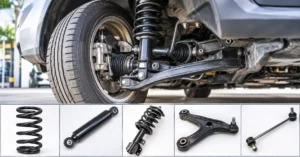
Major faults affect safety or the environment, so they need prompt repair. However, a major fault does not make the car illegal to drive while your previous certificate remains valid. A worn suspension bush or a faulty headlight are common examples.
Driving a car with major faults still carries risk. A fault that seems minor can worsen quickly, and if you crash with a known fault, an insurer may question the claim. Therefore, book the repair as soon as you can.
When You Cannot Drive the Car at All
A dangerous defect means the car is unroadworthy. You must not drive it, even if your old certificate has months left. Doing so can bring a fine of up to £2,500, three penalty points and a possible driving ban. Arrange a recovery truck or a trade collection instead.
What Happens After the Certificate Expires
Once your previous MOT expires, the car is no longer legally covered for normal road use. You can drive it only to a pre-booked MOT appointment or to a repair garage. Keep the booking confirmation with you, because an officer may ask for it. Driving without a valid MOT can lead to a fine of up to £1,000.
Quick Checklist After a Failed Test
- Read the test certificate and check whether any dangerous defect is listed.
- Check your previous expiry date on the GOV.UK MOT history service using the registration number.
- Contact your insurer to confirm your cover while the car is off the road for repairs.
- Book a repair and a retest, or arrange transport to the garage.
- Save the booking confirmation on your phone or on paper.
How to Get the Car Back on the Road
After repairs, you need a retest. If you return to the same test station within 10 working days and the repairs relate only to the failed items, the retest is usually a partial retest and often free. Once the car passes, you receive a new certificate and can drive normally.
If you believe the failure was wrong, you can appeal. Submit a VT17 form on GOV.UK within 14 working days of the test. Do not change the vehicle before a DVSA examiner inspects it.
Will a Failed MOT Affect Your Insurance?
A failed MOT does not automatically cancel your policy. However, driving a car that is unroadworthy, or driving without a valid MOT, can breach your policy terms and leave you without insurance cover after an accident. Check your policy wording or call your insurer before you drive.
If the repair bill is higher than the car is worth, selling it may make more sense. You can explore your options on our MOT failure car sale page. For cars with body damage as well, our guide to selling a damaged car covers the process.
More Read: How to sell an MOT failure car fast
Frequently Asked Questions
Can I drive my car home after a failed MOT?
Yes, if your previous MOT certificate is still valid and the test recorded no dangerous defects.
Can I drive a car with a dangerous defect?
No, a dangerous defect makes the car unroadworthy, so you must arrange recovery.
What is the penalty for driving a car with a dangerous defect?
You can face a fine of up to £2,500, three penalty points and a possible driving ban.
How long can I drive after failing an MOT?
You can drive until your previous certificate expires, provided no dangerous faults were found.
Can I drive to a garage after my MOT expires?
Yes, but only to a repair garage or a pre-booked MOT, and only if the car is roadworthy.
Can I appeal a failed MOT?
Yes, submit a VT17 form on GOV.UK within 14 working days of the test.
Does a failed MOT void my insurance?
Not automatically, but driving an unroadworthy car may breach your policy, so confirm with your insurer.
Final Thoughts
Whether you can drive a failed car depends on the defect type and your previous certificate. Read the test result carefully, act quickly on major faults, and never drive a car with a dangerous defect. Rules can change, so check GOV.UK for the latest guidance before you make a decision.