Written by the Scrap My Car UK team. Last updated 11 November 2026.
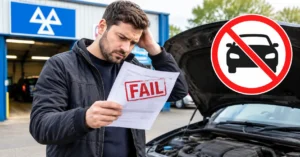
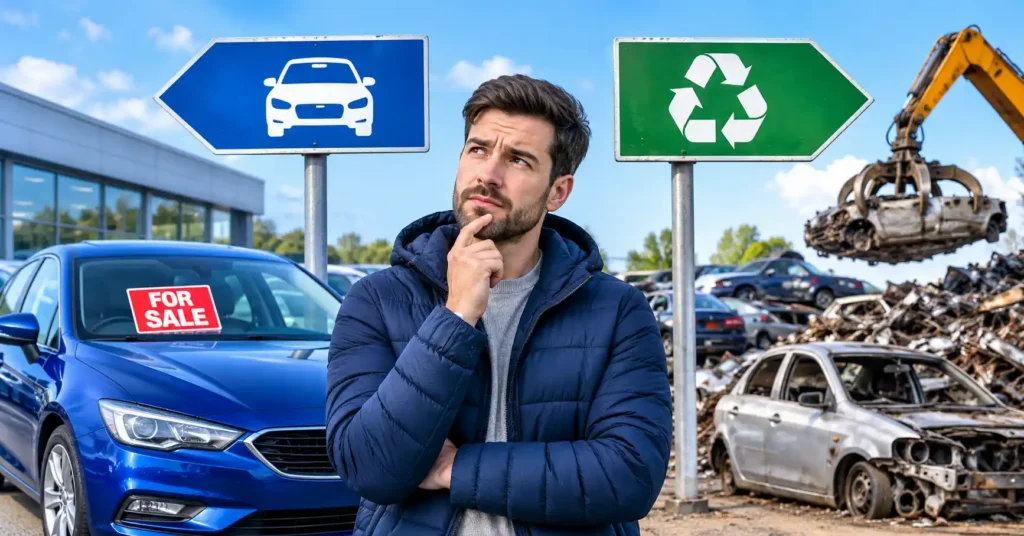
Your old car just failed its MOT. Or the garage quote made you wince. Now you must pick between a sale and the scrapyard, and the wrong choice can cost you hundreds of pounds.
This guide covers both routes for UK drivers. You will find 2026 price data, simple decision rules and the legal steps you must follow. We checked GOV.UK guidance and current industry figures, so you can decide with confidence.
Should You Sell Your Car or Scrap It? is an important question for UK drivers who own an unwanted, damaged, or ageing vehicle. The right decision depends on your car’s condition, market value, repair costs, and demand for used vehicles.
Selling may bring a better return if your car is roadworthy and has resale potential, while scrapping can be a practical option for vehicles that are beyond economical repair. This guide explores Should You Sell Your Car or Scrap It? by comparing potential earnings, selling methods, scrap car quotes, and disposal requirements. Understanding Should You Sell Your Car or Scrap It? can help you make an informed decision, avoid unnecessary expenses, and choose the most suitable option in 2026.
Should You Sell or Scrap Your Car? The Short Answer
Sell your car if it still runs, holds a fair market value and needs only light repairs. Scrap it if repair costs pass half of its value, or if it is a non-runner with serious engine, gearbox or structural faults. The average scrap car pays around £250 in 2026, so any car worth clearly more deserves a sale first.
Sell vs Scrap at a Glance
| Factor | Sell your car | Scrap your car |
| Best for | Running cars with real resale value | End-of-life, damaged or non-running cars |
| Typical payout | Full market value, often well above scrap price | About £150 to £400, with an average near £250 |
| Speed | Days to weeks for a private sale, faster with instant car buyers | Often same day or next day |
| Effort | Adverts, viewings and haggling | One quote and one collection |
| Paperwork | Update the V5C logbook and tell the DVLA | Certificate of Destruction and a DVLA notice |
| Payment | Bank transfer is safest | Bank transfer or cheque only |
When Selling Your Car Makes More Sense
Selling wins when your car has life left. A running car with a valid MOT, a decent service history and clean paperwork fetches far more than its metal weight. Scrapping it would waste that value.
Check the Numbers First
Look up your car valuation on two or three sites. Then compare the result with a scrap quote. A big gap points to a sale. Repairs can tip the balance too. For example, a £400 fix that lifts the price by £1,500 is an easy yes.
Pick the Right Way to Sell
- Private sale: You earn the highest price, but you handle adverts, viewings and haggling.
- Instant car buyers: You get an online offer and quick payment, though the figure may sit below a private sale.
- Part-exchange: This suits you when you are buying another car from a dealer.
- Export buyers: Some models sell for more overseas than they do at a UK scrapyard.
- Specialist buyers: If your car has accident marks, you can sell a damaged car without paying for repairs first.
When Scrapping Your Car Makes More Sense
Scrapping is not a failure. It is often the cheapest exit from a car that costs more to keep than it is worth.
Apply the 50% Rule
Divide the repair quote by your car’s current value. A result above 50% means repairs rarely pay off. A £1,200 quote on a £2,000 car works out at 60%, so you should scrap it. Collect three quotes first, because garage prices for the same job can differ by hundreds of pounds.
Spot the Big-Ticket Faults
These problems usually end a car’s useful life:
- A seized engine or blown head gasket
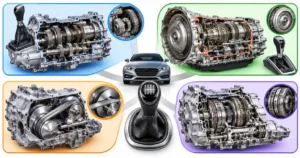
- Gearbox failure on an older car
- A bent chassis, or rust in the sills and subframe
- A blocked DPF or failed catalytic converter on a low-value diesel
Car.co.uk puts a seized engine rebuild at £1,500 to £3,000. Gearbox replacements range from £500 to over £5,000. Few old cars justify that spend.
Weigh Age, Mileage and Emissions
SMMT data from April 2026 shows the average UK car is now 9.7 years old, and 45.7% of cars are over a decade old. More ageing cars means more owners facing this choice. Car.co.uk sees the tipping point past 15 years or 125,000 miles. ULEZ rules add pressure in London, where petrol cars need Euro 4 and diesels need Euro 6. An older car that misses those standards can drain your wallet in daily charges. If you own an MOT failure car, get a scrap quote before you pay for repairs.
More Read: Fine for No MOT: 7 Key Facts Every UK Driver Should Know
How Much Is a Scrap Car Worth in 2026?
Your scrap car value depends on weight, scrap metal prices and condition. Industry data puts the UK average at £252 in May 2026, and the full 2025 average was £251. Prices held steady. However, your own quote may differ.
| Vehicle size | Average scrap price |
| Medium | £265 |
| Large | £324 |
| SUV | £439 |
Source: Car.co.uk, updated May 2026.
Several factors lift or lower your quote:
- Weight: Heavier cars hold more recoverable steel.
- Make and model: Premium cars carry more valuable parts.
- Completeness: Missing parts reduce the offer.
- Location: Local demand and collection distance matter.
- Salvage potential: Usable parts can beat plain scrap.
That last point matters. National Scrap Car data, reported in September 2026, shows salvaged vehicles averaged £533 over three years. Plain scrap averaged £171. Ask every buyer whether they value parts as well as metal.
What About Written-Off or Salvage Cars?
An insurance write-off does not always mean the end. Insurers use four categories. Cat A is scrap only. Cat B means break for parts. Cat S covers structural damage and Cat N covers non-structural damage. Cat S and Cat N cars can return to the road after proper repair, though resale value drops. If your insurer pays out, you may be able to keep the car, sell it as salvage or send it for scrap. Check the category before you choose.
More Read: What Does Salvage Mean? 7 Things UK Car Owners Should Know
More Read: Salvage Title Insurance UK: 6 Things to Know (Cat S & N)
How to Sell or Scrap Your Car Legally
Steps to Sell
- Gather your V5C logbook, MOT history and service records.
- Set a fair price from your valuation.
- Take clear photos and describe every fault honestly.
- Confirm the money has cleared before the buyer drives away.
- Tell the DVLA about the sale, then cancel your insurance.
Steps to Scrap
- Use an Authorised Treatment Facility (ATF). GOV.UK confirms only an ATF can legally scrap your vehicle.
- Settle any outstanding finance with your lender first.
- Give the ATF your V5C, but keep the yellow section for yourself.
- Accept payment by bank transfer or cheque. Cash payments are illegal in England and Wales under the Scrap Metal Dealers Act 2013.
- Receive your Certificate of Destruction within seven days.
- Make sure the DVLA is told, and ask for confirmation. The legal duty stays with you as the registered keeper, and skipping it risks a fine of up to £1,000.
- Cancel your insurance and ask about a refund.
Many licensed buyers offer free collection and handle the DVLA paperwork for you. Scrap My Car UK, for instance, collects free, pays by bank transfer and takes care of the DVLA steps on your behalf.
More Read: Scrap My Car UK: Get a Free Quote and Easy Vehicle Collection
Smart Tips to Get the Best Price
- Compare at least three quotes from licensed buyers.
- Keep the car complete, with every part and the catalytic converter in place.
- Describe the condition honestly to avoid price cuts on collection.
- Use free collection to save on recovery costs.
- Act quickly. Insurance, tax and storage eat into your profit each week.
Final Verdict: Sell or Scrap?
- Sell when the car runs, has MOT left and repairs cost under half its value.
- Scrap when repairs pass half its value, or major faults hit a car over 15 years old.
- Sell as salvage when the car is damaged but its parts hold real value.
Conclusion
Selling or scrapping comes down to one comparison: what the car earns today against what it will cost you tomorrow. Run the 50% rule, check two valuations and request a scrap quote. The best number wins. Ready to move on? Get a free scrap car quote and see what your car is worth today.
Frequently Asked Questions
Is it better to sell or scrap an old car?
Sell it if it runs and repairs are cheap, and scrap it if repairs cost over half its value.
How much is a scrap car worth in the UK in 2026?
Most scrap cars fetch £150 to £400, with the 2026 average near £250.
Can I scrap a car without an MOT?
Yes, a valid MOT is not required to scrap a car.
Do I have to tell the DVLA when I scrap my car?
Yes, and you risk a fine of up to £1,000 if you do not.
Can I scrap a car without a V5C logbook?
Often yes, because licensed buyers can help with DVLA paperwork, though ID and proof of address are usually needed.
Can I scrap a car that is on finance?
Only after you settle the finance with your lender.
Is it legal to take cash for a scrap car?
No, payment must be by bank transfer or cheque in England and Wales.
How long does the Certificate of Destruction take?
The ATF should issue it within seven days of scrapping the car.